
From first pilot hole to clean drive
Learn the system in order: read the fastener, match the bit and driver, choose the pilot hole, drive with control, then diagnose what went wrong.
Start the learning path →
View the Drill Bit Sizes Chart
2026-08-07
Power tools from zero to one
5 stages · build in order-
01Head · drive · diameter · length · thread
Read the fastener
- What’s happening
- Learn which part of a screw name describes shape, fit, material, and holding behavior.
- What you’ll notice
- You can explain why Phillips truss head and countersunk flat head are not interchangeable descriptions.
- What to do
- Start with fastener anatomy before choosing a bit or tool.
-
02Fastener ↔ bit ↔ driver
Match the interface
- What’s happening
- Match the recess to the correct bit profile and size, then choose a drill, driver, or impact tool.
- What you’ll notice
- The bit seats fully without rocking and the tool suits the fastening job.
- What to do
- Use the matcher before buying another tool.
-
03Pilot · clearance · countersink
Prepare the material
- What’s happening
- Select a pilot hole from the screw root, material hardness, and thread engagement needed.
- What you’ll notice
- The hole guides the screw without removing the material the threads must hold.
- What to do
- Test on scrap when the material or finish is unforgiving.
-
04Speed · torque · alignment
Drive with control
- What’s happening
- Keep the bit square, start slowly, and use only enough torque to seat the fastener.
- What you’ll notice
- The head seats cleanly without cam-out, crushing, or stripping.
- What to do
- Stop when the joint is seated; more trigger is not more secure.
-
05Strip · snap · split · stall
Diagnose the failure
- What’s happening
- Trace the symptom back to interface fit, pilot size, material, alignment, speed, or torque.
- What you’ll notice
- You can change one variable instead of guessing at a stronger tool.
- What to do
- Fix the cause before repeating the drive.
Use this as a learning path, not a shopping list. Each stage removes one common source of stripped heads, split material, snapped screws, or unnecessary tool purchases.
Guides
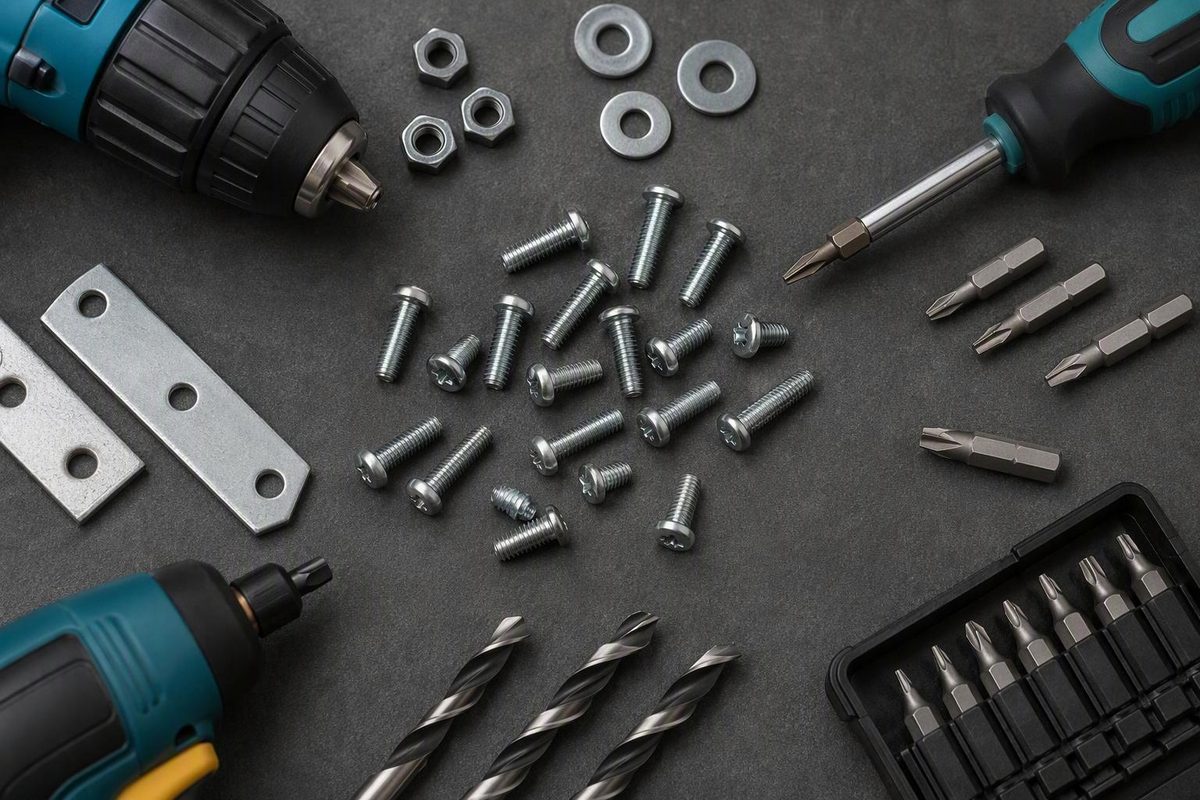
M4 Screws: Thread Size, Drill Hole and Driver Fit
M4 screws have a 4 mm nominal thread diameter. Check the 0.7 mm coarse pitch, length, tap or clearance hole, and head-specific driver before fitting.
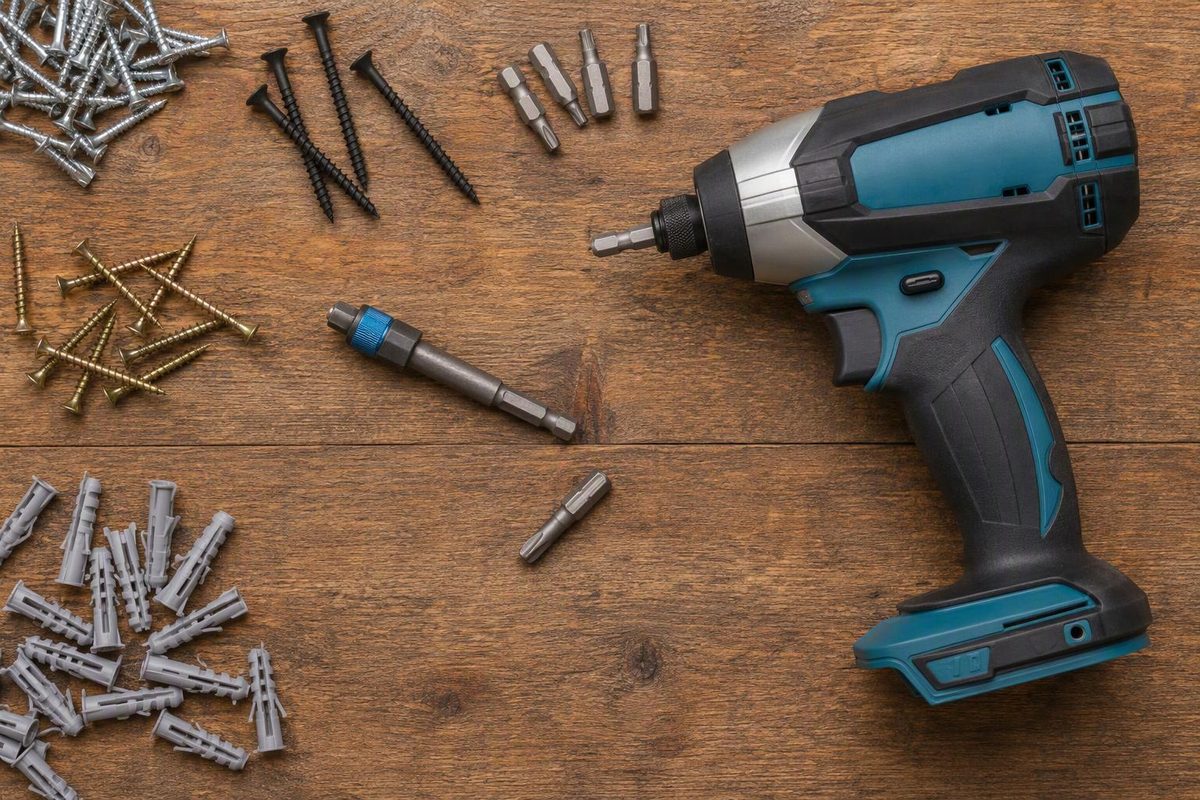
What Is an Impact Driver? Uses, Bit Fit and Limits
An impact driver uses twisting blows to drive screws. Learn its 1/4-inch hex bit fit, how it differs from a drill, and when to use another tool.
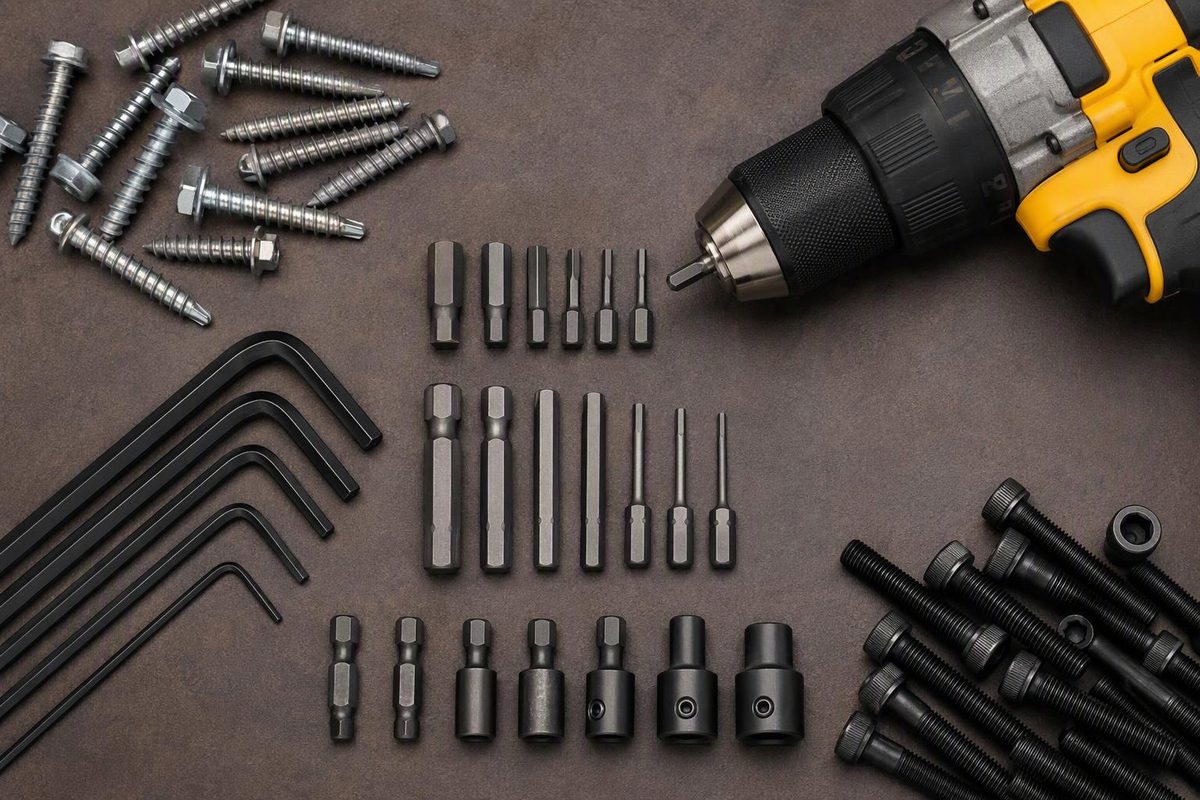
Allen Key Drill Bit: Match the Hex Tip, Shank and Tool
Choose a hex driver bit by exact metric or inch tip size, shank fit and tool rating. Use a drill without confusing drive size with screw size.
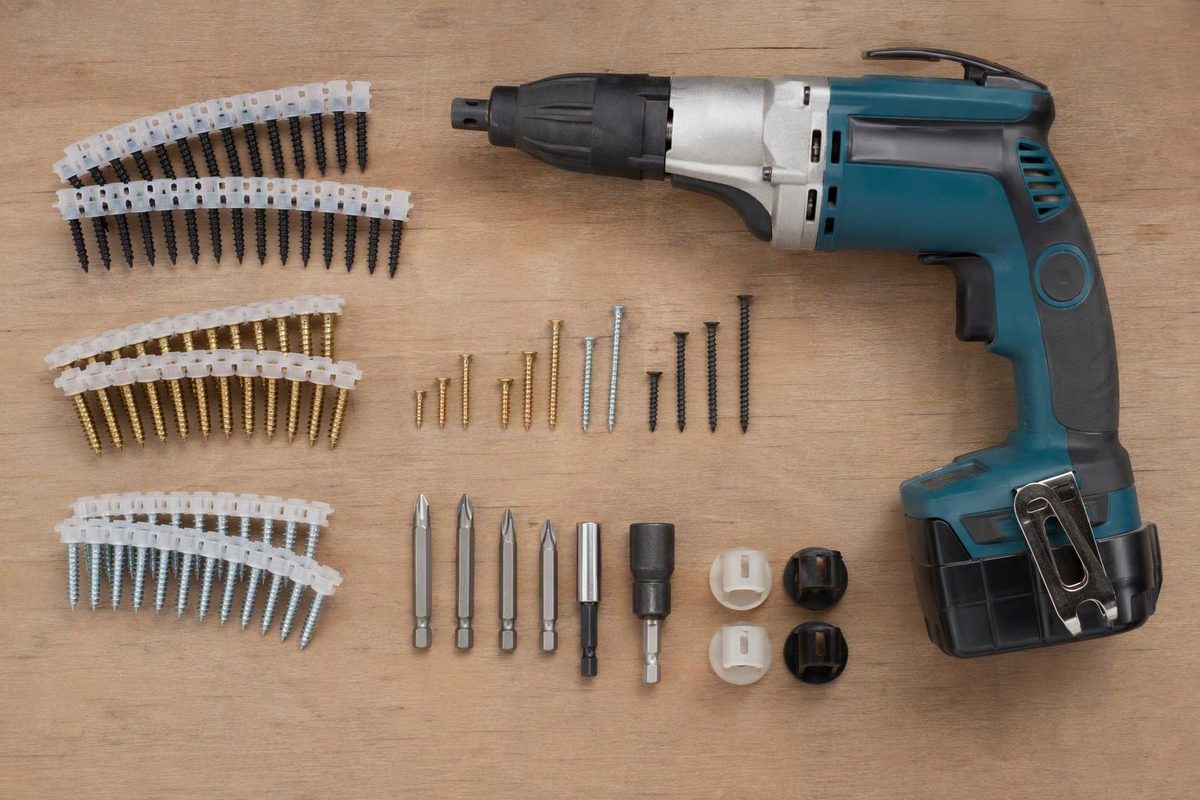
Screw Gun: Match the Tool, Fastener and Depth Setting
Learn what a screw gun does, how it differs from a drill or impact driver, and how to match screw size, collation, bit and depth setting.
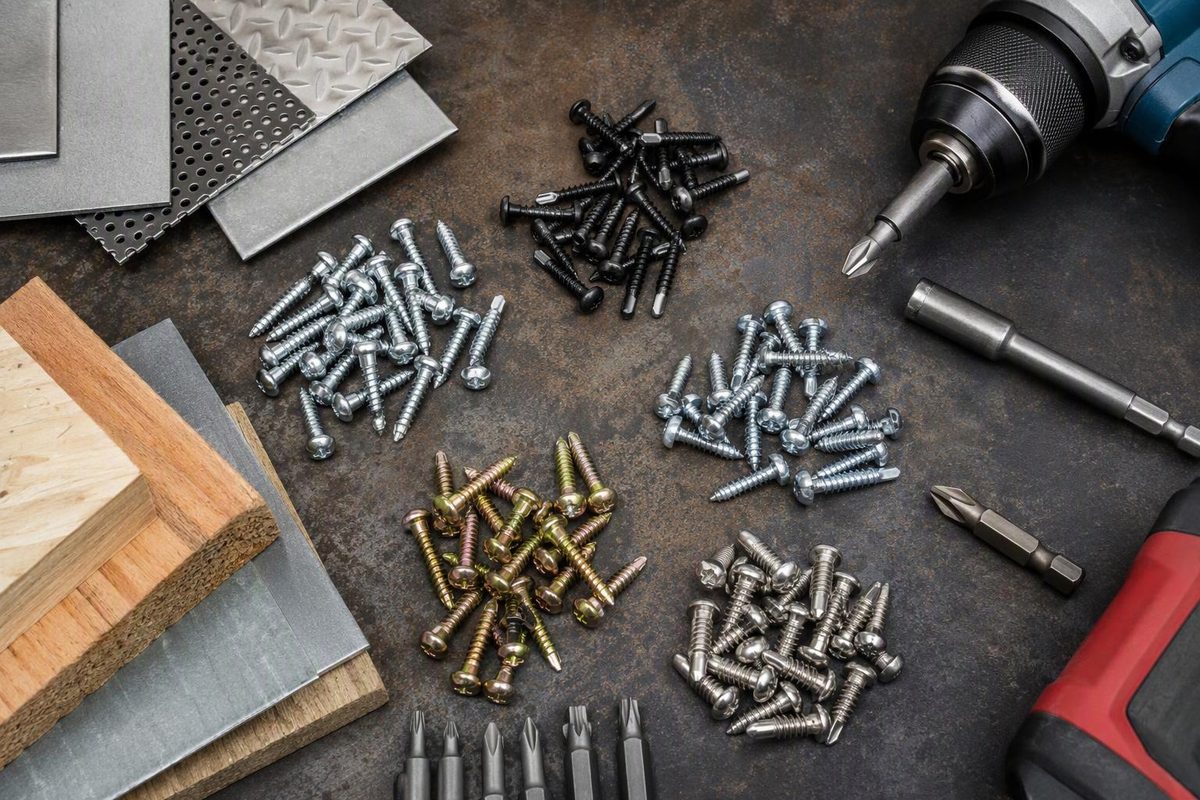
Self-Drilling Screws: Match the Point, Thickness and Driver
Choose self-drilling screws by material, drilling capacity, grip length and drive size. Learn when pilot holes are unnecessary and how to avoid point failure.
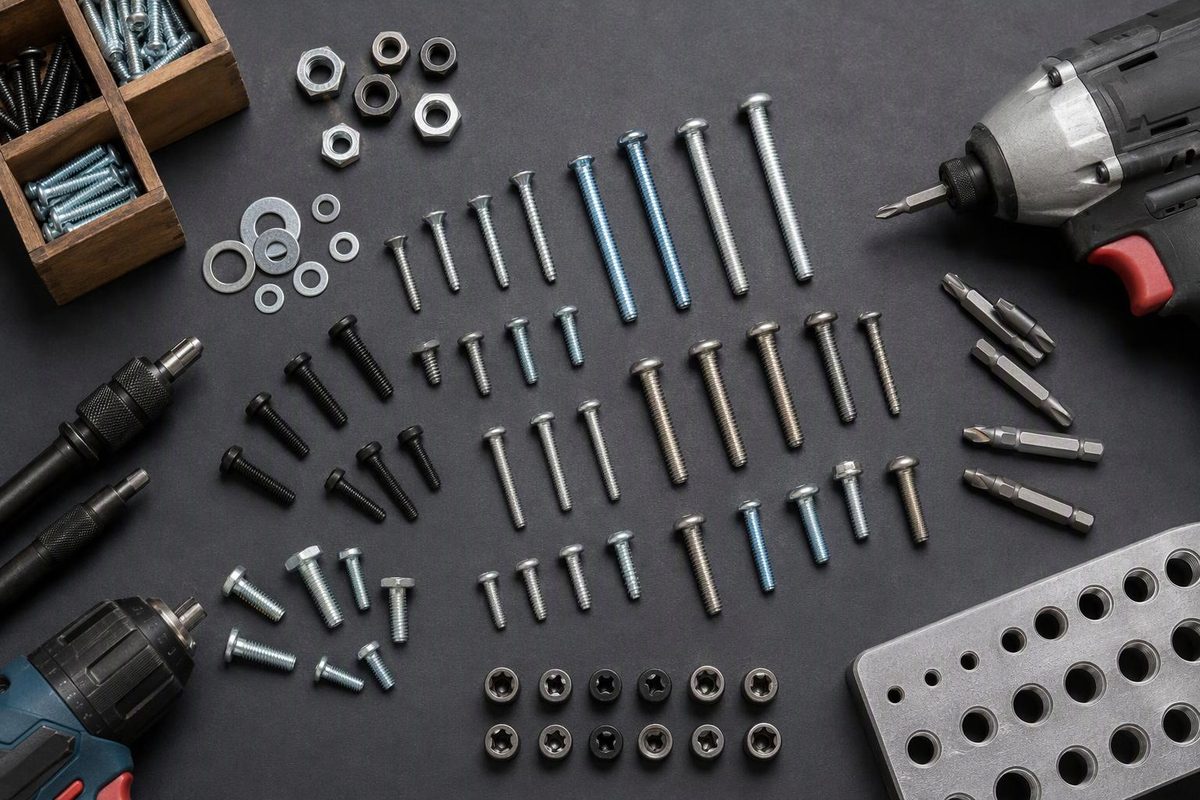
Machine Screw Sizes: Match Thread, Length, Hole and Driver
Read inch and metric machine screw sizes, measure diameter and pitch, distinguish clearance from tap holes, and match length, head style and driver.
Also covered
Fastener Selection Torx Screw: Identify the Drive, Thread and Fit Identify a Torx screw by drive profile, T-size, thread, length and head shape. Match the hole and tool without assuming all star drives fit. Screw Sizing Torx Bit: Match the Drive Profile, Size and Tool Identify a Torx bit by profile and T-size, compare typical tip dimensions, and distinguish standard, security and Torx Plus before driving. Fastener Selection Pocket Screws: Length, Thread, Jig and Driver Choose pocket screws by actual stock thickness, wood density, exposure and jig type. See Kreg K4 lengths, head requirements and driving steps. Fastener Selection Driver Bits for Impact Drivers: Shank, Tip and Size Match driver bits to an impact driver's 1/4-inch hex collet, screw recess and exact size. Compare power bits, insert holders and nut setters for safer driving. Screw Installation Deck Screw Gun: Match the Tool to the Screw and Decking Match a deck screw gun to screw length, diameter, collation, drive bit and decking, then set depth on scrap before fastening the deck. Ranking Table 86 Screw Guns Compared: Synthetic Design Profiles Hilti SD 6000 rates 1.99/0.05 for speed/torque emphasis; ST 1800 rates 0.56/1.14 on 0–2 scales. Fastener Selection Self-Tapping Stainless-Steel Screws: Grade, Pilot Hole and Driver Choose 18-8, 304, 316, 410 or bi-metal self-tapping screws by exposure, sheet thickness, pilot-hole data and driver requirements. Fastener Selection Hex Head Screw: Identify the Thread, Size, Hole and Driver Identify a hex head screw by thread, point, diameter, pitch, length and drive size, then match its hole and driver to the material. Screw Installation Makita XDT21 vs XDT20: Output vs Compact Size XDT21 adds 270 in-lb of maximum torque and 600 IPM; XDT20 is 0.25 inch shorter and has documented Assist and auto-stop modes. Fastener Selection Types of Torque Wrenches: Compare and Choose See how beam, dial, click, split-beam, slipping, break-over and digital designs differ by feedback, range, access, accuracy and data capability. Screw Sizing Wyze Camera Recall: Wrong Screw Length Explained See which Wyze Solar Cam Pan installations are recalled, why the long screw can reach the battery, and how to check clearance before mounting. Fastener Selection Can Deck Screws Be Used in Joist Hangers? No Ordinary deck screws do not replace joist-hanger fasteners. Learn how to verify approved nails or connector screws, patterns, loads, and coatings. Screw Installation FLEX FX1372 vs FX1371 Impact Driver: Upgrade or Keep? Compare FLEX FX1372 and FX1371 torque, speed, weight, size, collets, kits, and test times to see whether the newer impact driver earns an upgrade. Screw Installation Is DeWalt Powerstack Discontinued? XR Battery Guide DeWalt retired the Powerstack label, not every pouch-cell pack. Match DCBP034, DCBP320, DCBP520, DCB2105 and DCB2108 to your tool and job. Screw Head Styles Phillips Truss Head Refers to Two Screw Features Phillips identifies the drive recess, while truss identifies the broad, non-countersunk head. Those terms alone do not prove two screws are interchangeable. Screw Dimensions #14 Screw Dimensions Vary by Type One production wood-screw guide puts thread diameter at 0.235-0.246 in. and body diameter at 0.190-0.201 in., showing why measurement point matters. Screw Head Styles Choose and Fit a Countersunk Flat-Head Screw For a reliable flush fit, define the installed height, use the selected screw's drawing, match the countersink and test a representative sample. Screw Materials Brass Screws Have Clear Uses and Limits Brass has roughly one-third to half the tensile strength of steel, and the head can twist off abruptly, leaving a soft shank that extractors struggle to grip. Power Tool Comparisons Impact Wrench vs Impact Driver: Fastener Type Decides Screws favor a driver and sockets favor a wrench. A driver may still be enough when socket work is occasional, accessible, and light.How this site is written
Dimensions and compatibility depend on the exact fastener, material, tool, and manufacturer. We show the matching logic and name the source; verify the packaging and tool manual before drilling or driving.